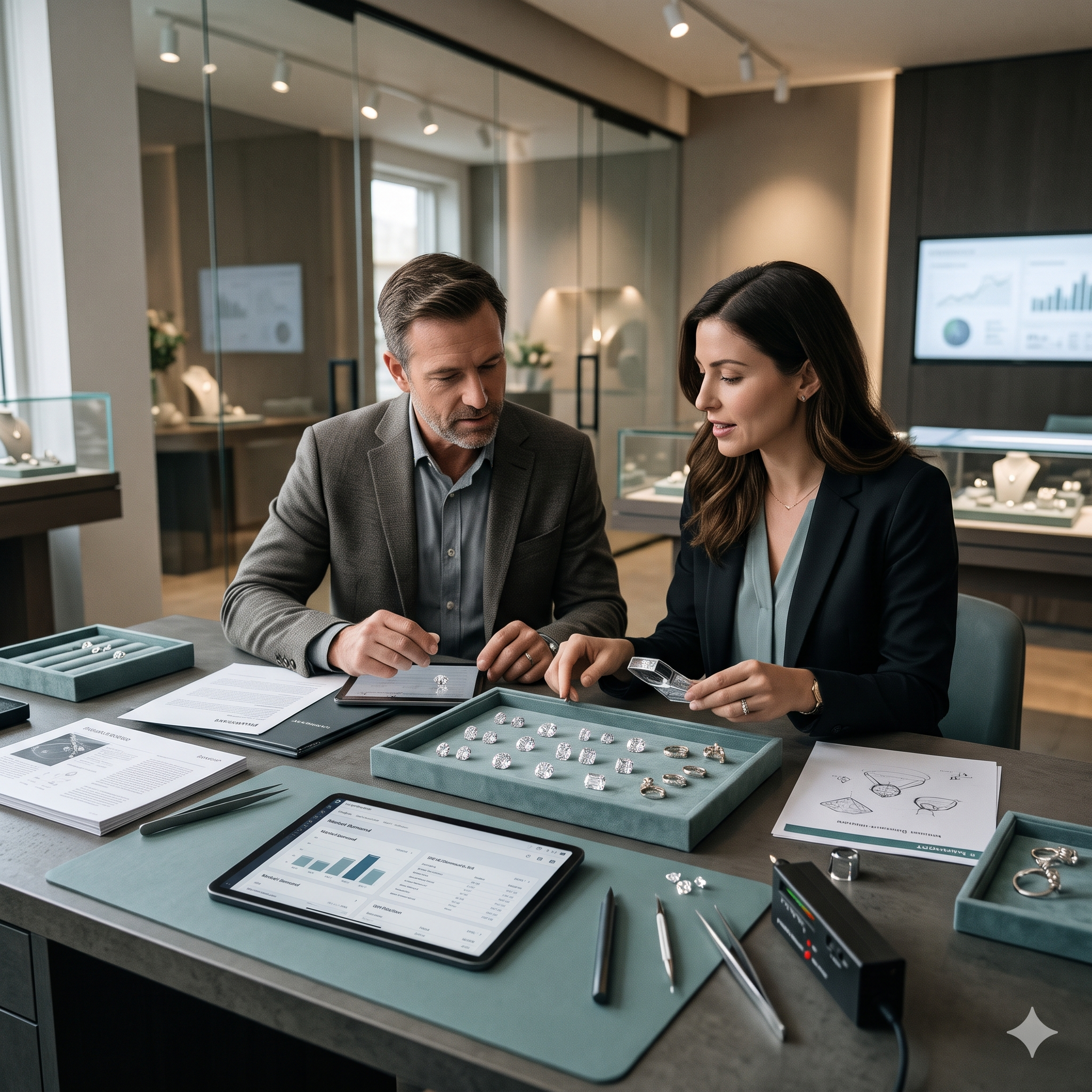
Buying natural diamond jewelry is often an important personal decision. Customers may be shopping for an engagement ring, a wedding anniversary, a family celebration, or a piece they intend to pass down through generations. For retailers, this creates an opportunity to offer more than a product. A memorable in-store experience can help customers understand the qualities of natural diamonds, make informed choices, and develop lasting relationships with a jewelry brand.
This blog explores how natural diamond retailers can differentiate their stores through personalized service, product presentation, customer education, and thoughtful after-sales support.
- Make Product Discovery More Personal: Every customer enters a jewelry store with different preferences, budgets, and expectations. Some may know exactly what they want, while others need guidance on diamond shapes, settings, carat weights, and designs. Retailers can make the shopping experience more engaging by asking questions about the occasion, personal style, and intended use before recommending products.
This approach helps narrow down choices without overwhelming customers with too many options. Curated collections can also simplify discovery. For example, retailers can organize jewelry around occasions, design preferences, or everyday wear. Personalized recommendations make the experience feel relevant and help customers find pieces that reflect their individual tastes.
- Turn Diamond Education into a Retail Advantage: Customers often want to understand what makes one diamond different from another. Retailers can use these conversations to build confidence and establish credibility.
Explaining the four Cs of diamond grading, namely cut, color, clarity, and carat weight, can help customers understand how these characteristics influence a diamond’s appearance and price. Where available, grading reports from recognized gemological laboratories can provide additional information about a diamond’s documented characteristics.
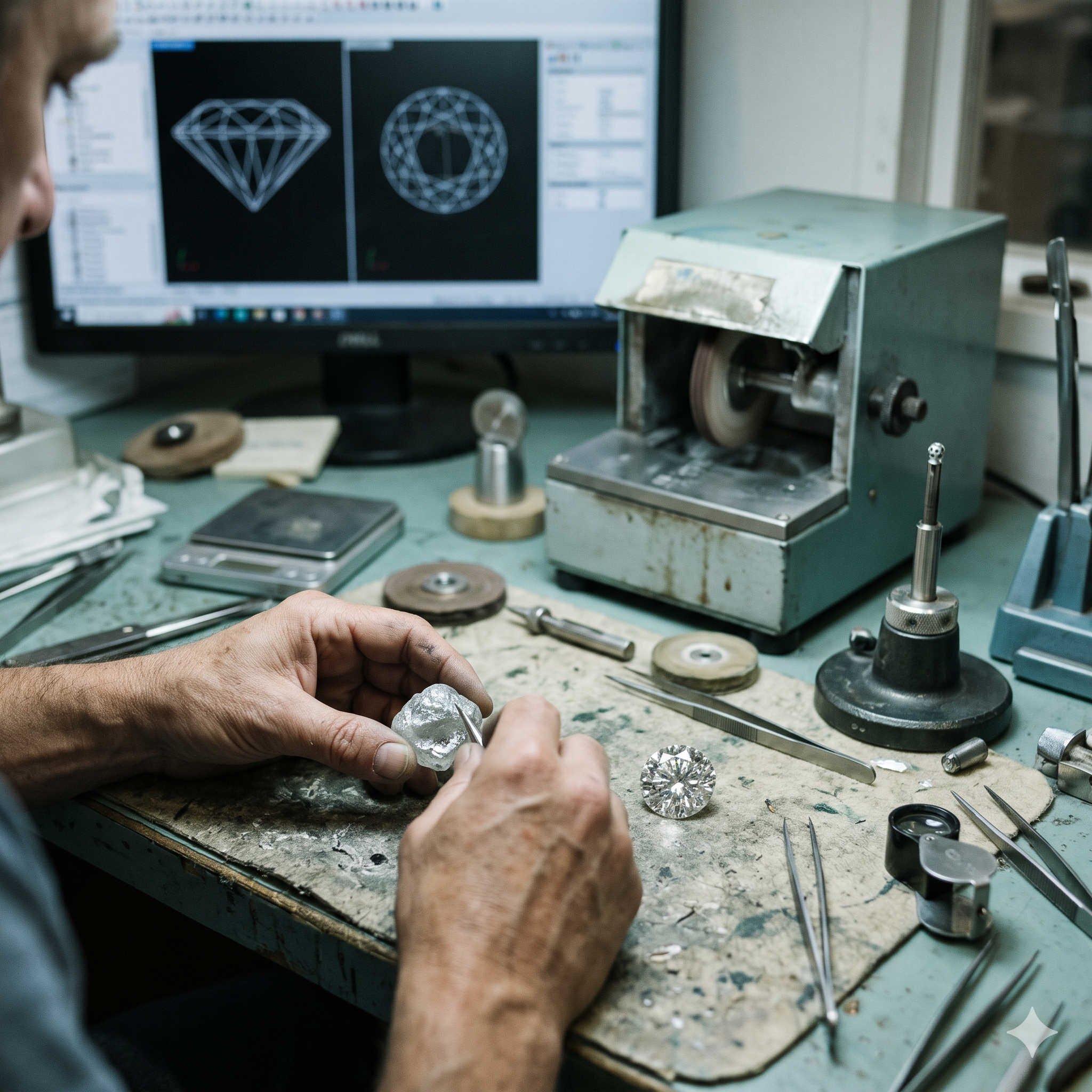
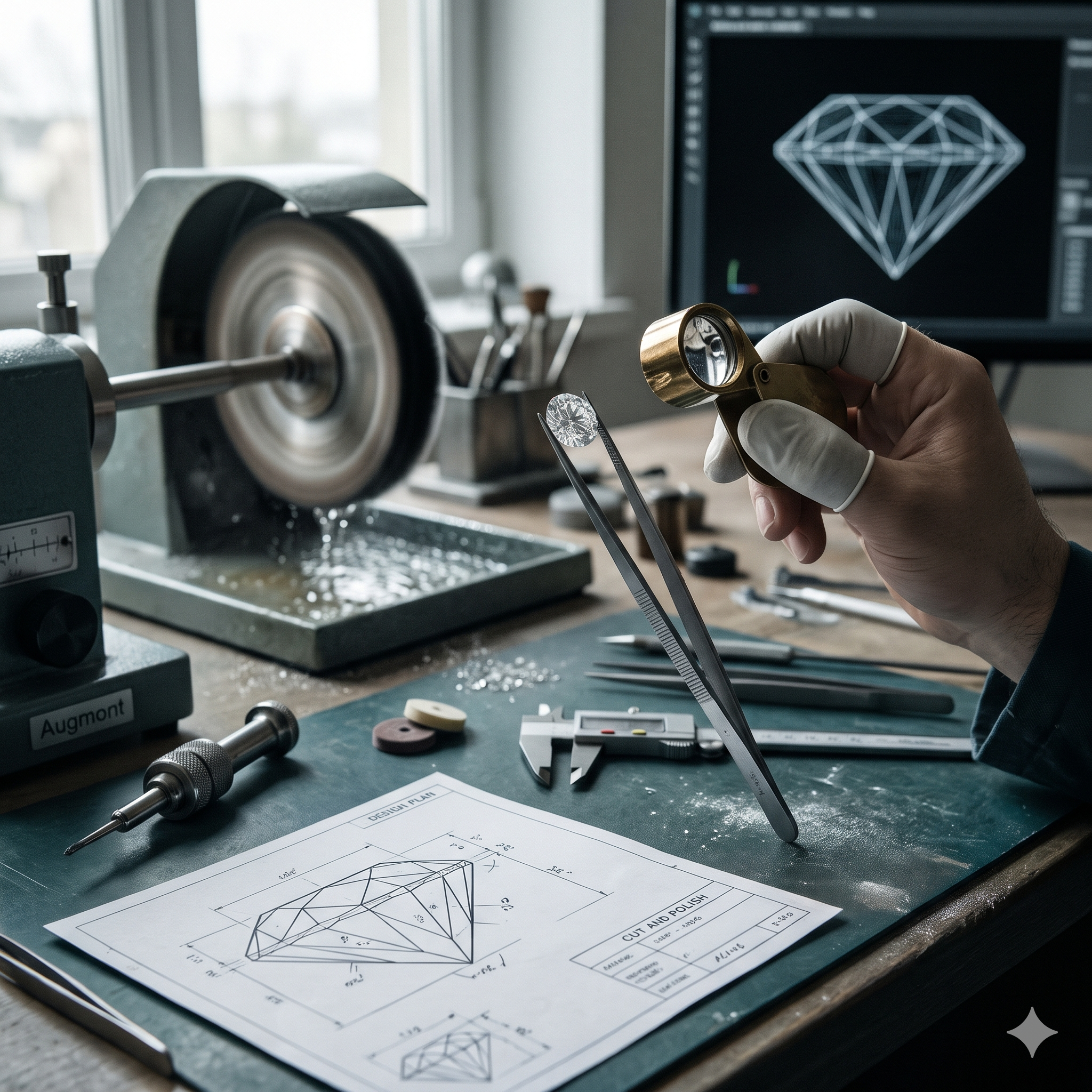
Retailers can also explain the geological origins of natural diamonds and the craftsmanship involved in transforming rough stones into finished jewelry. Clear, factual information allows customers to appreciate their purchase without relying on exaggerated claims.
- Create a Store Environment That Encourages Exploration: Store design plays an important role in how customers perceive jewelry. Well plannedWell-planned ncluttered displays, comfortable seating, and thoughtfully arranged collections can make browsing more enjoyable.
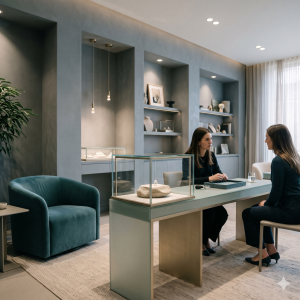
Retailers can create dedicated spaces for engagement rings, bridal jewelry, and contemporary designs. Mirrors and suitable lighting allow customers to see how different pieces look when worn.
Digital tools can complement the physical experience. Online catalogs, appointment booking, and digital product information can help customers explore collections before visiting the store. An integrated experience across online and offline channels also makes it easier to continue the purchase journey.
- Build Relationships Beyond the Purchase: The customer experience should continue after the sale. Clear information about warranties, cleaning, maintenance, resizing, and repair services can help customers care for their jewelry over time.
Retailers can also offer periodic cleaning services, anniversary reminders, and personalized recommendations for future occasions. These interactions create opportunities to maintain relationships without making every communication a sales pitch.
Final Thoughts
A distinctive in-store experience combines product knowledge, personal attention, thoughtful presentation, and reliable service. For natural diamond retailers, these elements can help customers make confident purchasing decisions while differentiating the store from competitors. By focusing on the entire customer journey, retailers can create experiences that encourage repeat visits, strengthen trust, and support long-term customer relationships.