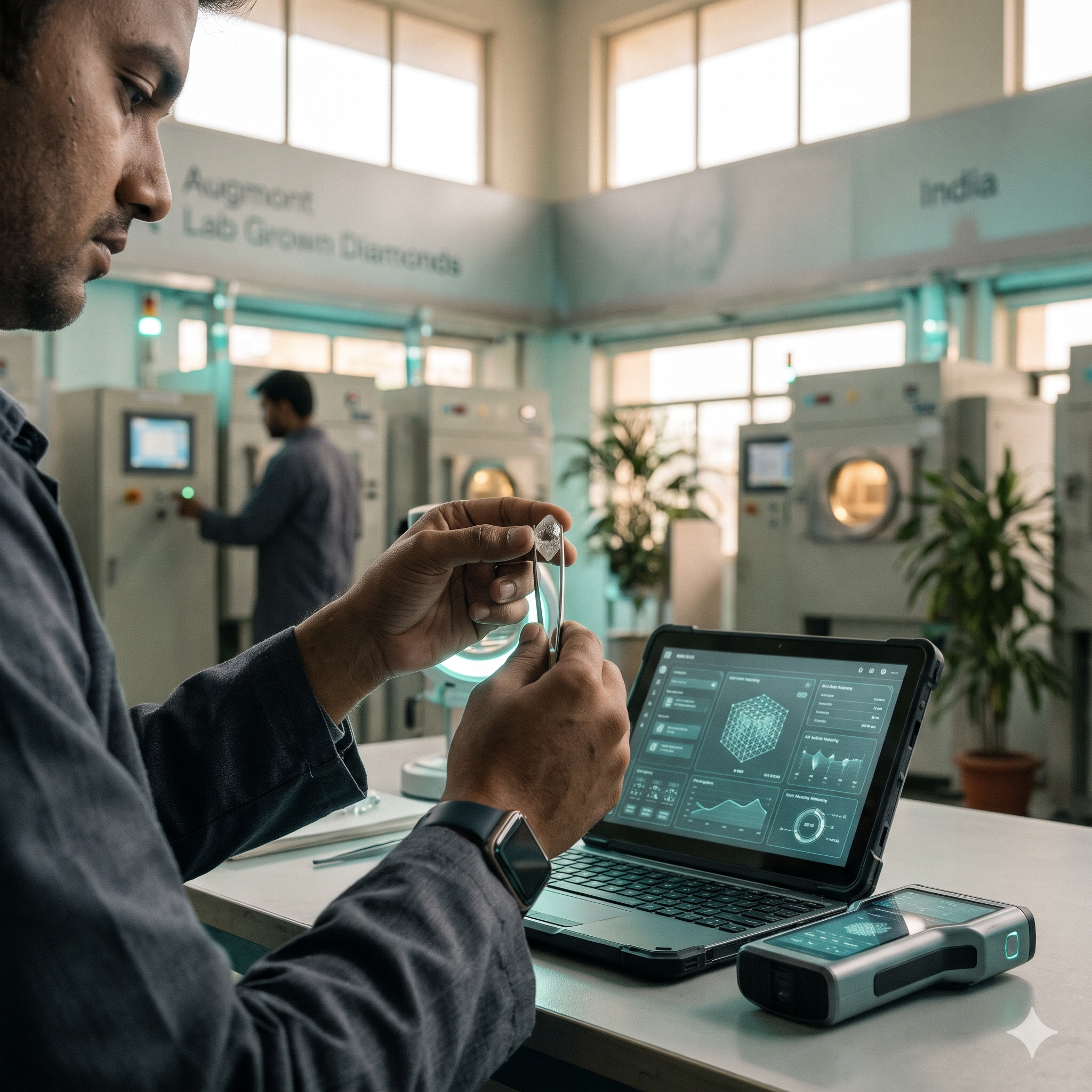
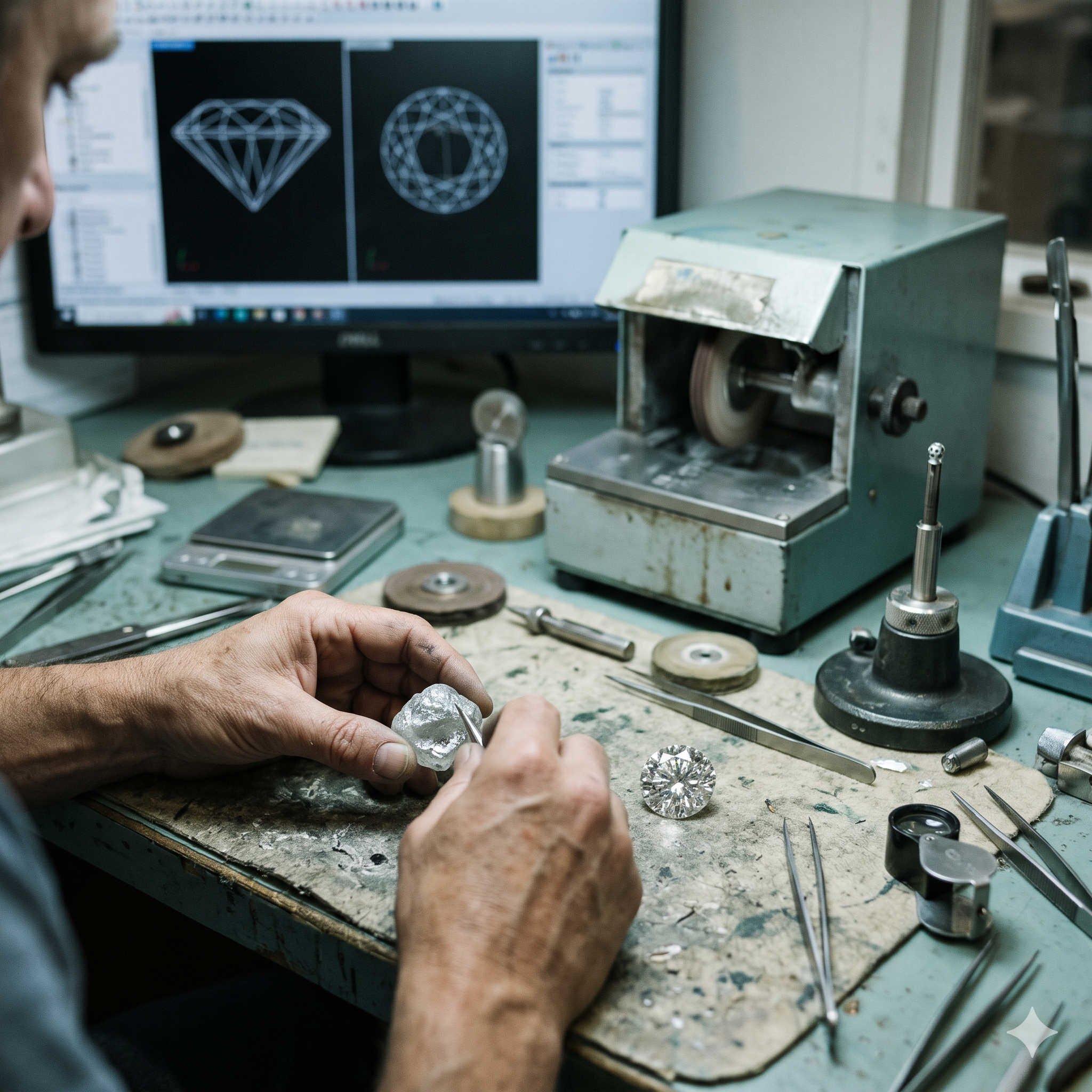
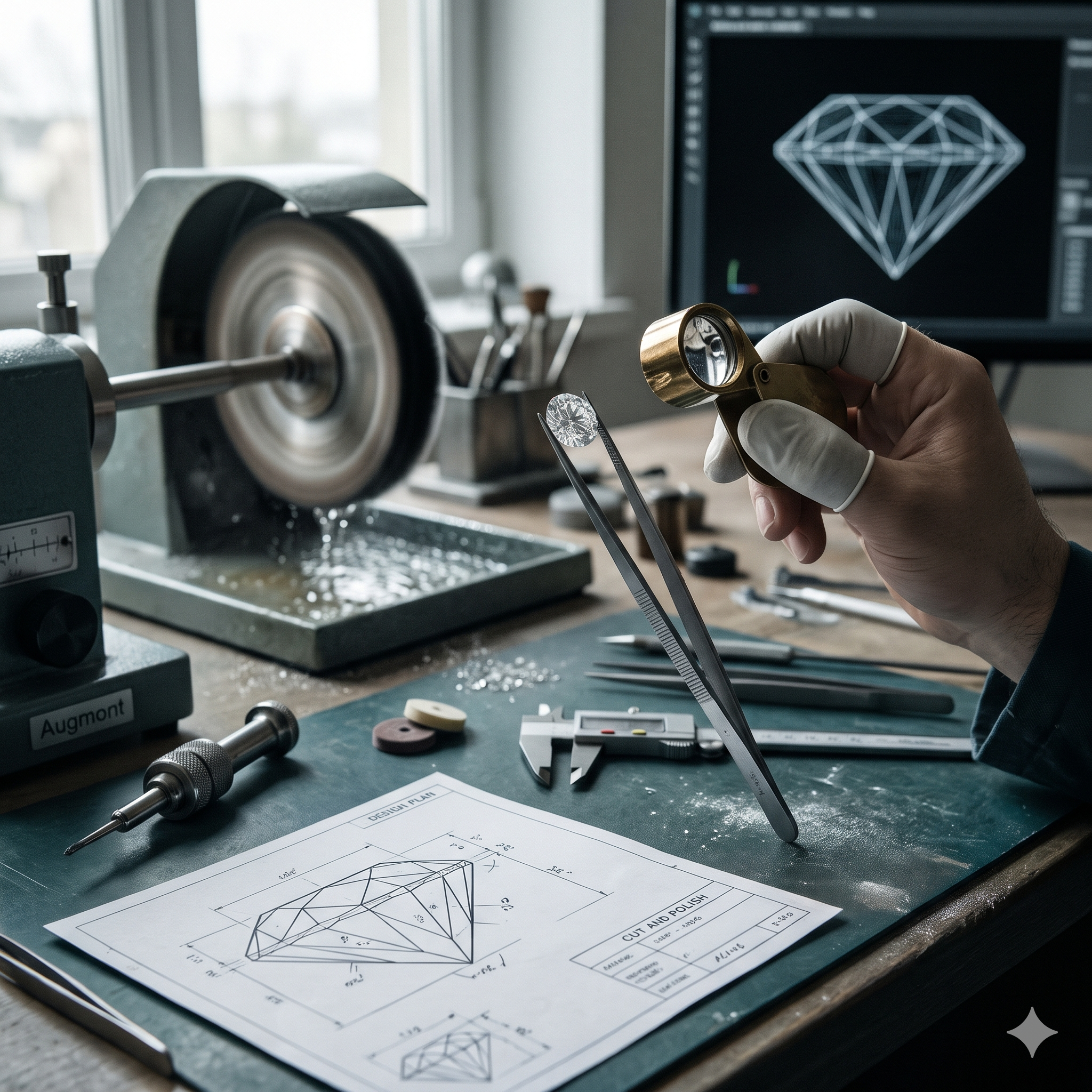
The lab-grown diamond industry is entering a new phase of growth, driven by changing consumer preferences, improved accessibility, and evolving fashion trends. Once primarily associated with engagement rings and wedding purchases, these diamonds are gaining attention across everyday accessories, personalized designs, and premium collections.
However, as competition increases and prices decline, the industry’s future will depend on more than affordability. Product innovation, consumer awareness, retail expansion, and brand differentiation will play important roles in shaping demand.
What This Blog Is About
This blog explores the key factors that could drive the next phase of lab-grown diamond demand, from changing purchasing behavior to emerging opportunities in India’s growing market.
- Affordability Will Attract More Buyers: One of the biggest drivers of lab-grown diamond demand is affordability. These diamonds have essentially the same chemical, physical, and optical properties as natural diamonds, although their origins and production processes differ. Their comparatively lower prices allow consumers to explore larger stones and distinctive designs within their budgets. For first-time buyers, this can make diamond ownership more accessible without requiring a significant increase in spending. However, falling prices also create challenges for manufacturers and retailers. Businesses will need to communicate value through quality, design, and customer experience rather than relying on price alone.
- Everyday Wear Will Expand Demand: Diamonds are finding applications beyond traditional engagement and wedding purchases. Stud earrings, tennis bracelets, pendants, and contemporary rings offer opportunities for consumers to incorporate them into their everyday wardrobes. This shift could encourage buyers to explore multiple designs for different occasions rather than viewing diamond purchases as a once-in-a-lifetime decision. Versatile collections and contemporary designs can help brands tap into younger consumers who value personal expression and practical spending.
- Gen Z and Millennials Will Shape Purchasing Trends: Younger consumers are changing how diamonds are discovered, evaluated, and purchased. Social media, influencer content, and online shopping platforms allow buyers to compare designs, understand product specifications, and explore different price points. Lab-grown diamonds can appeal to consumers who value affordability, modern aesthetics, and transparency around the origin of products. Brands that combine informative content with customization options and seamless online and offline shopping experiences may be better positioned to connect with these audiences.

- Transparency Will Build Consumer Confidence: Despite growing awareness, many consumers still have questions about how lab-grown diamonds are produced and how they differ from natural stones. Clear communication about origin, grading, quality, and certification can help buyers make informed decisions. Environmental claims should also be supported by credible evidence rather than broad marketing statements. As competition intensifies, transparency and customer trust could become important differentiators.
- India’s Manufacturing Strength Creates Opportunities: India’s established diamond processing expertise provides a strong foundation for the lab-grown diamond industry. Growing domestic awareness, expanding retail networks, and opportunities in international markets could support further development.
Final Thoughts
The next phase of lab-grown diamond demand will be shaped by affordability, changing fashion preferences, younger consumers, greater transparency, and manufacturing capabilities. While competitive pricing remains an important attraction, sustained growth will depend on building consumer confidence and offering products that stand out in an increasingly competitive market.
For the industry, the opportunity lies in making diamonds more accessible while delivering quality, innovation, and meaningful customer experiences.