Crafting a natural diamond demands precision, technical knowledge, and meticulous planning at every stage. Every decision, from appraising rough stones to cutting polished diamonds, affects the final yield, quality, and commercial value. As market expectations evolve, manufacturers will have to strive to improve operational efficiency while upholding quality standards. A well-managed manufacturing process can help reduce material wastage, optimize resources, and provide consistent results.
In this blog, we will look at how natural diamond manufacturers can improve efficiency at key points in the production process, including rough diamond planning, cutting and polishing, quality control, and inventory management.
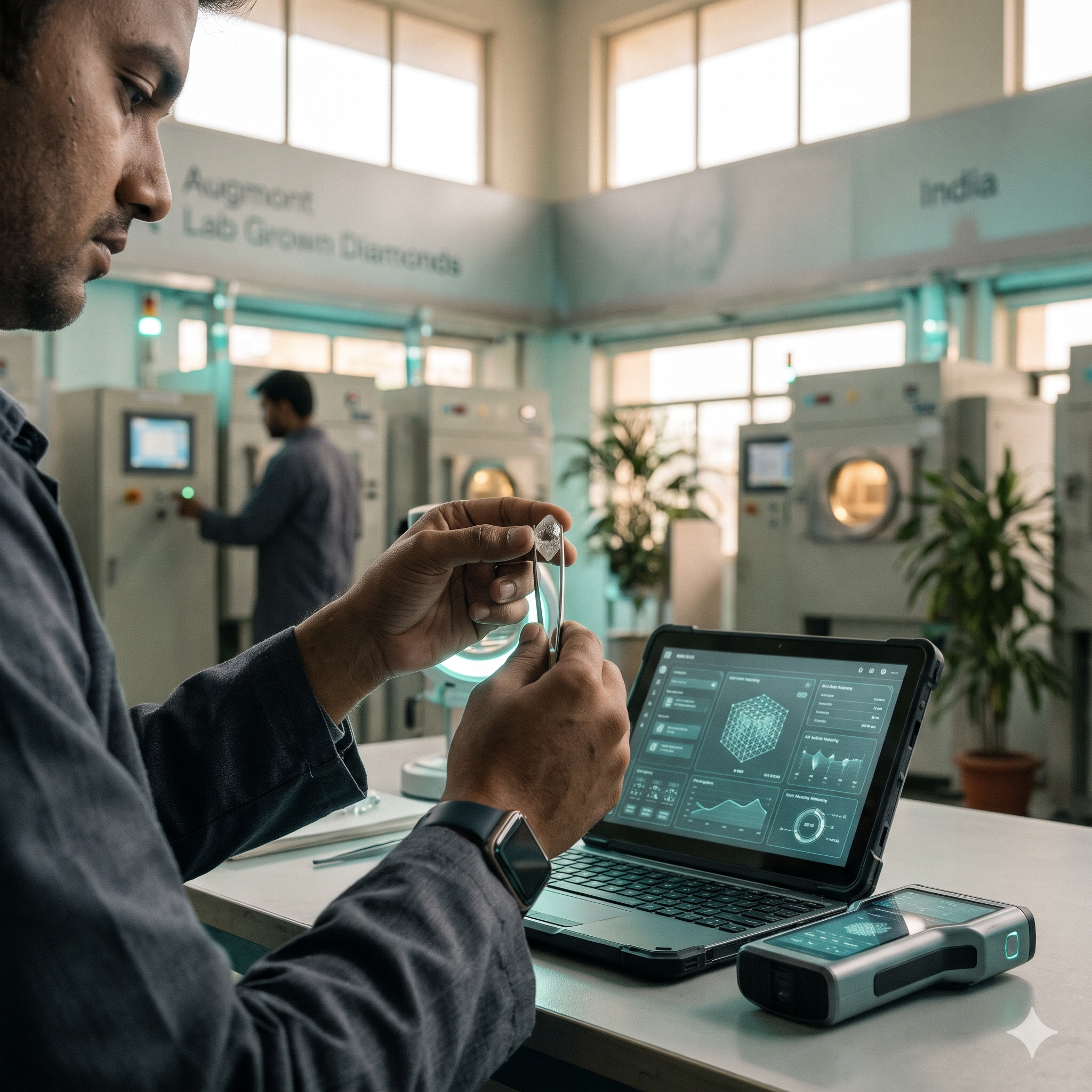
- Effective Rough Diamond Planning – The First Step: The manufacturing process starts with discovering the rough diamond. The stone’s shape and size, inclusions, and structural characteristics determine the way it can be cut and polished. Good planning helps manufacturers determine the optimal cutting strategy, considering yield, quality, and market demand. Advanced planning software and three-dimensional scanning technologies can help manufacturers visualize possible cuts before processing begins. These tools allow more informed decisions to be made regarding stone orientation, expected yield, and the placement of inclusions. Better planning can reduce avoidable material loss and improve the commercial potential of each rough diamond.
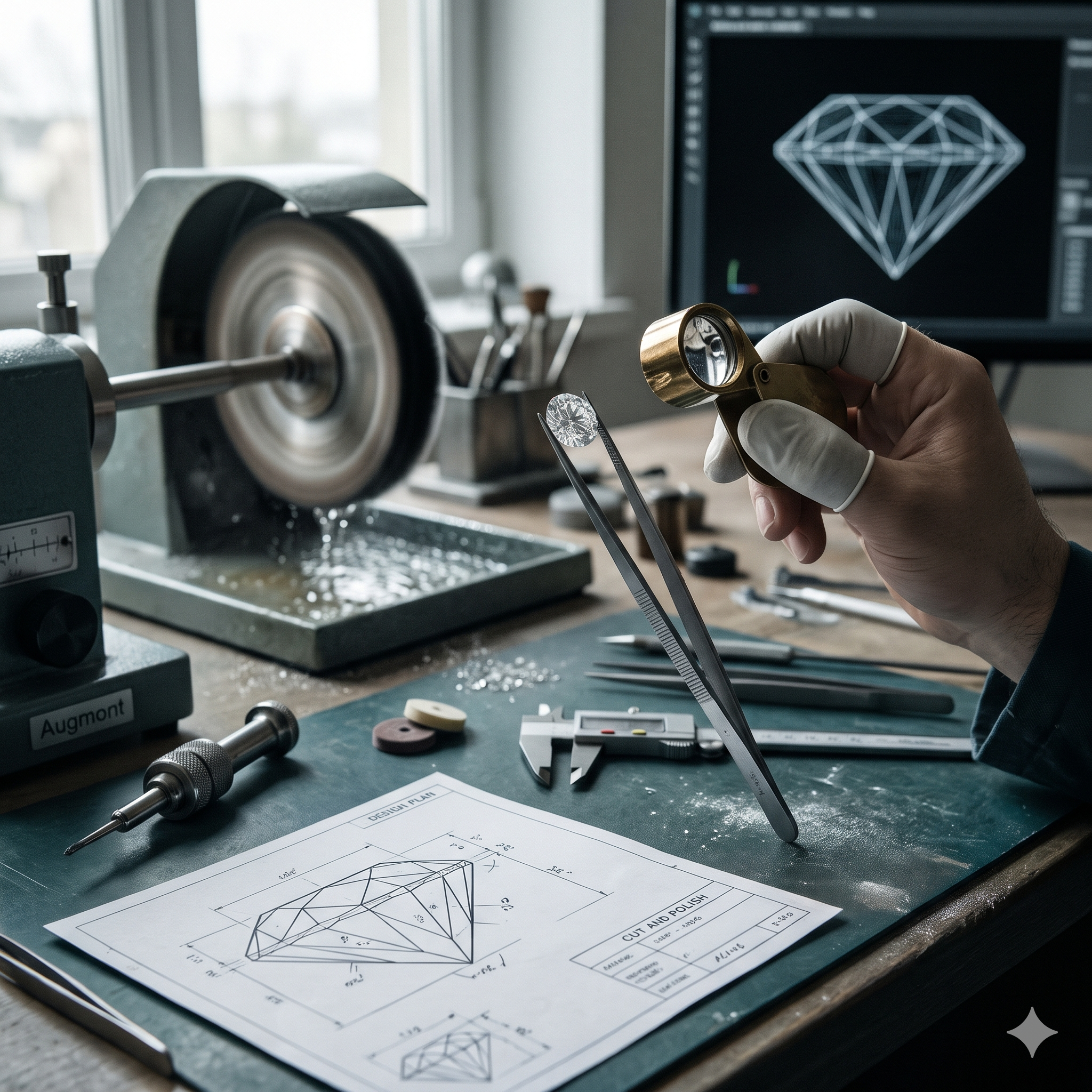
- Enhance the Precision While Cutting and Polishing: Cutting and polishing require skilled craftsmanship and accurate execution. Even minor errors can affect a diamond’s proportions, symmetry, and brilliance, influencing its final grade and value. Manufacturers can combine the best of experienced craftsmanship with precision equipment and automated technologies where necessary to increase efficiency. Processing errors can be minimized and consistent output maintained through regular equipment maintenance, standardized operating procedures, and training of a skilled workforce. Monitoring production at each stage also helps identify bottlenecks and recurring issues. Addressing these problems early can reduce rework, improve turnaround times, and support better utilization of labor and machinery.
- Strengthen Quality Control at Every Stage: Quality control must not end with final inspection. By evaluating diamonds at various points in the production line, manufacturers can detect inconsistencies before they become costly problems. Having clear quality levels across dimensions, proportions, symmetry, and finish can help teams maintain consistent standards.
- Use Technology and Data to Improve Operations: Digital instruments can improve visibility throughout the manufacturing process. Production management systems help to track work in progress, monitor machine utilization, and identify delays. Inventory management software can provide a better view of rough diamond stocks, polished diamond availability, and order status. Manufacturers may evaluate production data to find inefficiencies, better assign resources, and plan production to meet customer requirements. It also reduces the need for manual record-keeping and the possibility of mistakes.
Final Thoughts
Technical expertise, careful planning, quality control, and good resource management are needed to improve efficiency across the natural diamond manufacturing process. There are opportunities to improve consistency and reduce avoidable losses at every stage, from rough stone grading to final polish. Manufacturers can achieve more efficient operations while still preserving the craftsmanship that defines natural diamonds by adopting the right technologies, investing in workforce skills, and monitoring production performance.