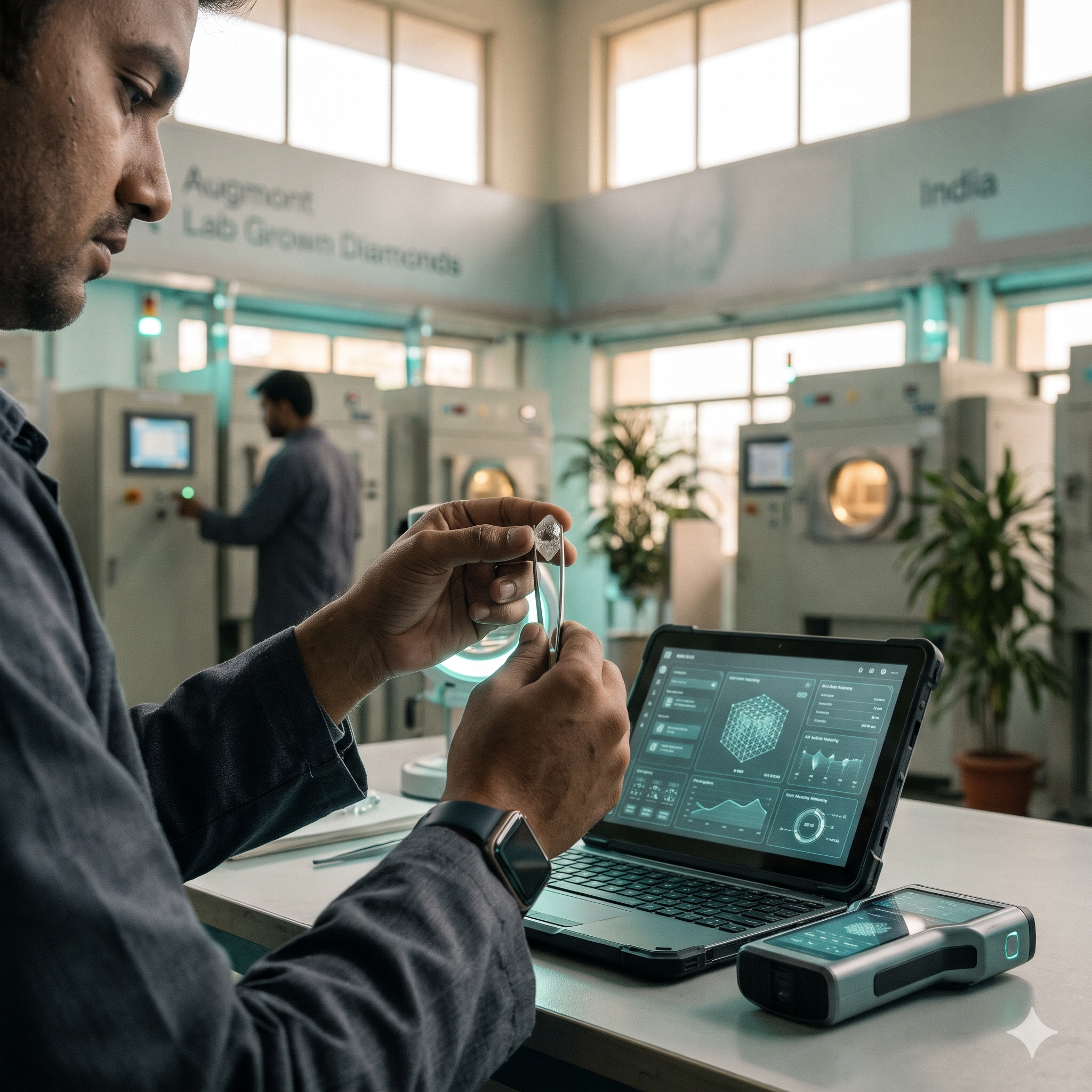
A diamond’s value extends beyond its appearance, rarity, and quality. Today, consumers increasingly want to understand where their diamonds come from, how they are sourced, and whether they meet responsible sourcing standards. This growing demand for transparency is making traceability and provenance important considerations for the natural diamond industry.
As the industry evolves, businesses are exploring ways to provide reliable information about a diamond’s journey, from its origin to the retail counter. These efforts are helping build consumer confidence and strengthen accountability across the supply chain.
What Do Traceability and Provenance Mean?
Traceability refers to the ability to follow a diamond through different stages of the supply chain, including mining, cutting, polishing, and distribution. Provenance, meanwhile, concerns a diamond’s origin and documented history.

Together, these concepts help businesses provide consumers with more information about the stones they purchase. Depending on the system used, this information may include the country of origin, production details, and the movement of a diamond between different supply chain participants.
Why Are They Becoming Important?
- Growing demand for transparency: Consumers are becoming more conscious of the products they purchase and the businesses behind them. In the diamond industry, this means asking questions about sourcing practices, origin, and the journey from mine to market. Access to credible information allows buyers to make purchasing decisions with greater clarity. For retailers, transparency can also help establish trust and strengthen customer relationships.
- Supporting responsible sourcing: The diamond supply chain involves multiple participants across different countries. Maintaining accurate records can help businesses improve oversight and demonstrate compliance with applicable sourcing standards. Traceability systems can support due diligence by helping companies identify the origin of diamonds and assess potential concerns within their supply chains. However, the effectiveness of these systems depends on reliable documentation, verification, and consistent implementation.
- The role of technology: Digital platforms, blockchain technology, and specialized tracking systems are creating new ways to record and share information about diamonds. Depending on the system, these technologies can help maintain records across supply chain stages and make relevant information accessible to authorized participants. Some industry initiatives also use digital records to connect individual diamonds with information about their origins and journey. Such systems can improve transparency, although the reliability of the information still depends on the quality of the underlying data.

- Natural diamonds and changing consumer preferences: The growing availability of information is influencing how consumers evaluate diamonds. Buyers may consider origin, craftsmanship, sourcing practices, and certification alongside traditional factors such as cut, color, clarity, and carat weight. The popularity of alternatives, including lab-grown diamonds, has also expanded consumer conversations around diamond origins and production methods. Natural diamonds and lab-grown diamonds differ in how they form, but clear product information helps consumers understand these distinctions and choose according to their preferences.
Final Thoughts
Traceability and provenance are becoming important elements of the natural diamond industry’s future. As technology advances and consumer expectations evolve, businesses that invest in credible documentation, transparent communication, and responsible sourcing practices may be better positioned to earn lasting trust.
Ultimately, transparency is about giving consumers meaningful information. By improving visibility across the supply chain, the natural diamond industry can help buyers make more informed decisions while encouraging greater accountability throughout the journey from origin to ownership.